

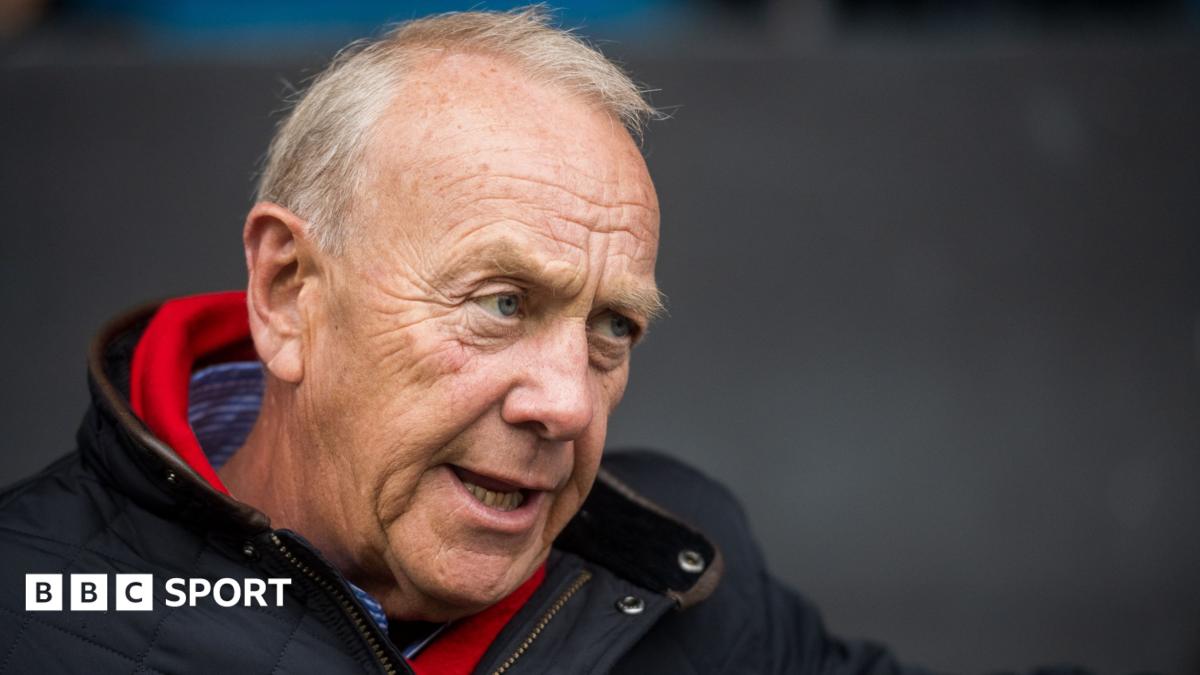
Lyndon Faulkner, the newly appointed chairman of the Welsh Rugby Union, has said he will review the contentious proposal to reduce the professional regional structure from four teams to three. Although his official start date is set for next month, the 66‑year‑old businessman has already outlined a priority list that includes a full assessment of the union’s “worrying” financial performance and the future number of regions. The announcement comes as the WRU grapples with an £18 million loss for the most recent financial year and growing pressure from clubs, politicians and fans who fear the proposed cuts could damage the sport’s heritage.
Faulkner, a millionaire tech investor and former Pontypool centre, dismissed rumours that he had been hired simply to rubber‑stamp the regional shake‑up. “There’s talk out there that whoever took this job was under the condition that they can’t talk about that, that’s absolutely incorrect,” he told reporters at the Arms Park before a Super Rugby Cymru match. He added that he would not have accepted the role if it required him to be a “yes man”. The chair emphasised his independence, saying, “I wouldn’t have taken the job with those conditions or if it were me needing to be a yes man. That’s not me.”
When asked whether he would be prepared to reverse the decision to cut a region, Faulkner answered without hesitation: “Absolutely, and that’s on anything I see.” He stressed that his review would not be a prolonged exercise, acknowledging the anxiety felt by the Ospreys and Scarlets, the two clubs most at risk of closure. “We’ve got four regions, all with their history in our great game. I am understanding of the emotions that it drives. At the end of the day, we’ve got a review to do and then look at how that comes out,” he said.
The financial backdrop to the regional debate is stark. The WRU posted an £18 million loss for the latest year, a figure that surprised Faulkner, who had not been aware of the full extent of the union’s debt until it was disclosed last week. “That was quite a surprise to me because the previous finances didn’t look that bad, but they are worrying,” he observed. He warned that without addressing the business side, the union cannot make the right investments in the sport. “There are no simple reasons, but there will be things we change or improve that will make a difference to those numbers, to manage costs and get revenue in,” he explained, noting the broader economic pressures affecting many UK companies, from rising utility bills to higher minimum wages.
Faulkner’s business pedigree includes founding the Welsh technology firm Nimbus, securing investment from Richard Branson, and later taking the company public in New York. He has also been involved in launching major products such as the Xbox and Microsoft Office, and even appeared on a TV show called The Mentor. When quizzed about the size of the challenge, he joked, “$100 million doesn’t frighten me.” Yet he admitted that friends and his wife questioned his decision to step into what he described as the “chaos of Welsh rugby”. He expressed frustration with the “noise” from commentators who, in his view, are not prepared to roll up their sleeves and help solve the problems.
Local political figures have added to the pressure on WRU leadership. Swansea council leader Rob Stewart, former Wales centre Alex Cuthbert and businesswoman Hayley Parsons have publicly called for the resignation of current WRU executives following the loss announcement. Faulkner responded by putting his own reputation on the line, saying, “I’m putting my impeccable professional reputation on the line here… I’m actually getting in the ring.” He argued that many critics are “not prepared to actually get in the fight” and that their voices distract from the on‑field product.
Although the chair will not sit on the WRU executive team, he will lead the board and wield considerable influence over strategic decisions. “They picked me because of my experience, so it would be foolish not to take consideration of what I say,” he noted. He also highlighted his empathy for the clubs facing possible closure, promising that his review will be thorough but swift, so as not to delay any inevitable outcomes.
Faulkner’s rugby credentials run deep. He is the nephew of former Wales great Tony “Charlie” Faulkner and played in Pontypool’s formidable 1980s side alongside Graham Price, Eddie Butler and David Bishop. His playing career included a Welsh Cup win, representation for Monmouthshire and two tests against Australia. Though he never earned a full Wales cap, his time under coach Ray Prosser taught him the values of teamwork, camaraderie and resilience, principles he says he now applies to business and, soon, to governing the sport.
Looking ahead, the WRU board is expected to commission the review within weeks, with findings to be presented before the 2028 deadline for the regional restructuring. Faulkner indicated that any recommendation to retain all four regions, reduce to three, or adopt an alternative model will be based on a careful balance of financial viability and the cultural significance of the clubs. The next step will be a board meeting later this month where the chair will outline his initial assessment and set a timetable for stakeholder consultations. The rugby community will be watching closely as the new chair moves from promises to concrete actions.