

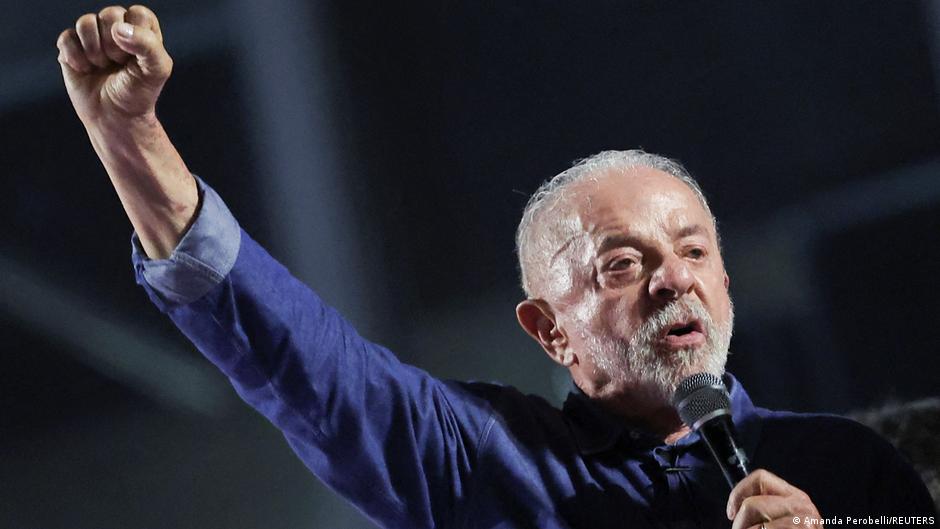
Lula’s victory in the Brazil election was confirmed on Sunday, October 25, when the Superior Electoral Court declared the incumbent left‑wing president Luiz Inácio Lula da Silva the winner of the runoff against right‑wing challenger Flávio Bolsonaro. Lula garnered 51.7 % of the vote while Bolsonaro obtained 48.2 %, a narrow margin that ended a tense night of counting and extended voting hours. The result marks Lula’s unprecedented fourth term in office, a milestone not achieved since Brazil reinstated direct presidential elections in 1989.
The final tally came after a Supreme Court decision earlier in the day extended polling stations nationwide by two hours, a move requested by Lula’s campaign after reports that public buses in São Paulo had been withdrawn, preventing many voters from reaching the polls. Bolsonaro’s team also asked for extra time, citing severe weather, flooding and power outages in five states. Both sides accused each other of trying to tilt the playing field, but the court’s ruling stood, and the extended hours allowed a higher turnout that analysts say benefitted Lula, especially in the populous northeastern states where his support is strongest.
In a hastily delivered victory speech on the social media platform X, Lula thanked young Brazilians who took to the streets to defend democracy, saying the win belonged to “people who believe, who fight, and who never give up on building a more just, sovereign, and democratic Brazil.” He warned that Brazil would “not accept being anyone’s backyard,” reiterating his long‑standing stance against perceived U.S. interference. The president also pledged tighter regulation of big‑tech platforms after legal complaints alleged that Meta had interfered in the campaign.
Flávio Bolsonaro, son of former president Jair Bolsonaro, refused to concede. Speaking to reporters after the court’s announcement, he denounced the two‑hour extension as “unacceptable” and vowed to take legal action to annul the result. Bolsonaro argued that the nationwide change undermined equal treatment among states and that the decision by Supreme Court judge Cristiano Zanin effectively altered the election rules at the last minute. His camp had also sought additional voting time, but only for municipalities in five states affected by rain and power cuts.
The reaction from the region was swift. Leaders across Latin America congratulated Lula, with Chilean President José Antonio Kast noting shared futures for the two neighbours, and Mexico’s President Claudia Sheinbaum posting, “Long live democracy, the people of Brazil won. Congratulations, President Lula!” Presidents of Uruguay, Paraguay, Panama, Bolivia and Cuba also sent messages, praising the victory as a win for peace, sovereignty and social justice.
Lula’s fourth term arrives amid a complex domestic and international backdrop. Under his Workers’ Party, unemployment fell to historic lows, poverty rates declined, the minimum wage rose and deforestation in the Amazon slowed. Yet his administration faces mounting challenges: rising living costs, a swelling public debt, criticism over spending policies and a scandal involving alleged pension fraud have eroded some popular support. The outcome also sets the stage for a delicate relationship with Washington, where former U.S. President Donald Trump, a close ally of the Bolsonaro family, continues to influence Latin American politics. Flávio Bolsonaro’s campaign promised closer cooperation with the United States, a promise that now hangs in the balance.
Brazil’s electoral system, based on electronic voting, allowed results to be tabulated quickly, with the court expecting a definitive announcement between 8.30 p.m. and 9 p.m. local time. Supreme Court President Edson Fachin urged both candidates to respect the popular will, emphasizing that “all authority and power comes from the people” and calling for peace and calm as the nation moves forward. Observers warned that Bolsonaro could follow his father’s precedent of refusing to accept defeat, potentially igniting unrest, but security forces have so far maintained order.
The extended voting period proved decisive in a race that saw Lula overcome a first‑round deficit of two percentage points, a rare feat in Brazilian politics. With roughly 159 million eligible voters, the runoff saw an unprecedented level of participation, especially among younger citizens who turned out in large numbers to defend democratic institutions. International media noted that Brazilian expatriates in Germany voted overwhelmingly for Lula, with 79 % of the 20 923 ballots cast abroad supporting him, underscoring the diaspora’s influence.
As the new term begins, Lula faces the task of consolidating his domestic agenda while navigating a right‑wing opposition that remains energized. The president’s pledge to regulate big‑tech firms hints at a broader push to curb misinformation, a concern amplified by the contentious nature of this election. Meanwhile, the Bolsonaro camp is expected to file legal challenges contesting the extended voting hours, setting the stage for a possible courtroom battle that could delay the full certification of the results. The coming weeks will reveal whether Brazil can transition smoothly into its fourth Lula administration or whether the disputed runoff will fuel further political turbulence.