


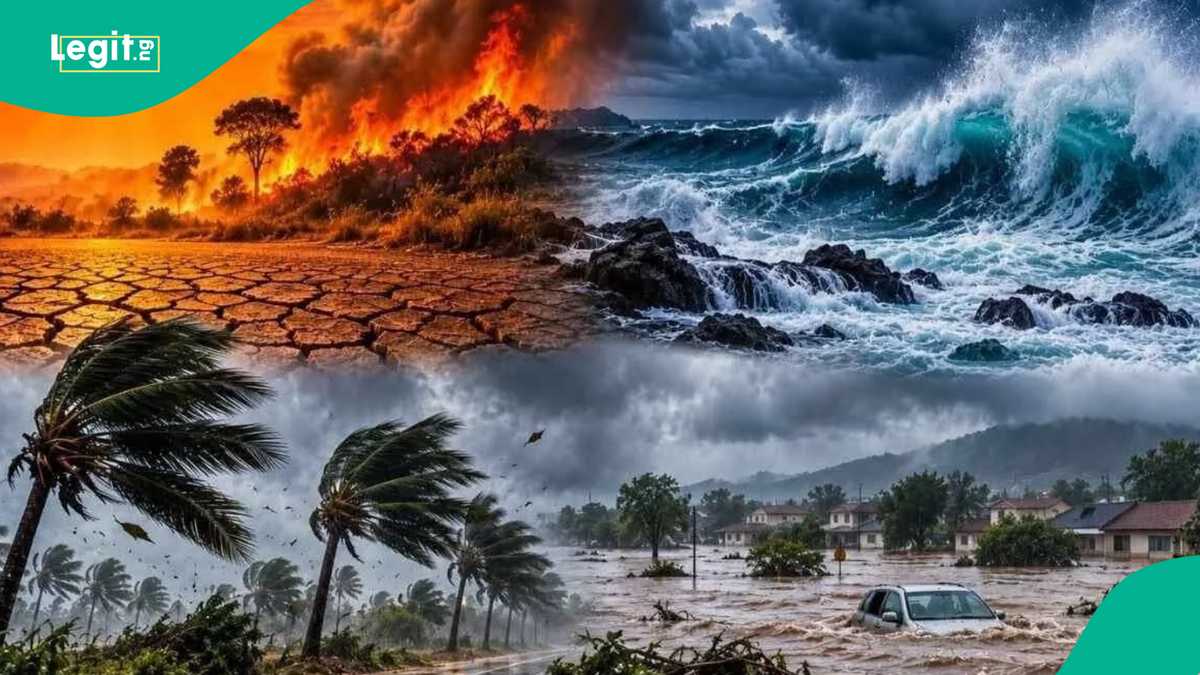
The National Emergency Management Agency (NEMA) issued a stark advisory on Monday, warning that a super El Niño could bring hotter temperatures, drought, floods and food shortages to Nigeria as the climate event intensifies through the end of 2026. The alert, posted on NEMA’s official X account on October 25, follows a fresh forecast from the Nigerian Meteorological Agency (NiMet) that confirms the onset of a strong El Niño pattern dominating global weather from August to October this year.
NiMet’s analysis of recent ocean data points to a rapid rise in sea‑surface temperatures across the central and eastern tropical Pacific, a hallmark of El Niño conditions. The agency noted that the current episode “continues to intensify steadily and is expected to dominate global climate patterns during the August to October 2026 season.” While El Niño is a naturally recurring phenomenon, scientists say the present “super” version could be the strongest in seven decades, with sea temperatures more than two degrees Celsius above average and projections of reaching four degrees above the norm by early 2027.
In response, NEMA outlined eight practical measures for households, communities and individuals to mitigate the looming threats. The first recommendation urges people to cut down on exposure to direct sunlight, especially between 11 am and 4 pm, and to shift outdoor chores to early mornings or late evenings. Wearing hats, light clothing and staying hydrated are also highlighted as basic heat‑safety steps.
Water conservation forms the second pillar of the agency’s guidance. Nigerians are asked to fix leaks promptly, store clean water in covered containers and avoid wastage, a move aimed at preserving scarce water supplies should rainfall drop sharply. The third point stresses the need for regular intake of clean water, use of sunscreen and vigilance over vulnerable groups such as children and the elderly, who are most prone to heat‑related illnesses.
Health protection rounds out the fourth recommendation. NEMA calls for strict sanitation, hand‑washing and early medical attention for any signs of dehydration or heatstroke. It also warns that the combination of heat and stagnant water could spur malaria and other water‑borne diseases, urging communities to keep their surroundings clean.
Food security is a central concern in the fifth guideline. Households are encouraged to stockpile essential food items, support local and home‑based farming, safeguard livestock and poultry, and tap into any government agricultural support programmes that may be rolled out. The agency notes that securing a stable food supply could offset the risk of shortages that often accompany prolonged droughts.
Livelihood resilience, the sixth measure, urges farmers to plant drought‑resistant crops, adopt improved farming techniques and diversify income sources. NEMA also points to existing government and partner schemes designed to help farmers adapt to adverse weather, though details on eligibility remain to be clarified.
Staying informed is the seventh recommendation. NEMA advises Nigerians to follow updates from the agency itself, NiMet and trusted media outlets, heed official warnings and report emergencies promptly to the relevant authorities. The eighth and final point calls for community‑level action, including participation in early‑warning systems, sharing information with neighbours and looking after the most vulnerable members of the community.
The advisory arrives as worries grow that the super El Niño could strain Nigeria’s already fragile food system. Analysts note that hotter temperatures and erratic rainfall could depress agricultural yields, especially for staples such as rice, maize and yam. While the government has not yet announced specific relief packages, the mention of “available agricultural support programmes” suggests that ministries may soon mobilise resources to bolster food production and distribution.
International bodies have also flagged the severity of the current El Niño. The World Meteorological Organization released data indicating that the present event may be the strongest since at least 1950 and could persist until February 2027. The agency warned of heightened risks of droughts, wildfires, typhoons and flooding across the globe, underscoring that Nigeria’s challenges are part of a wider climatic upheaval.
Local reactions have been mixed. Some community leaders expressed relief at receiving clear, actionable steps, while others voiced anxiety over the capacity to implement them, especially in rural areas where water infrastructure is poor and resources limited. “We need more than advice; we need tools and funding to actually store water and protect our crops,” said a farmer from northern Kaduna, speaking on condition of anonymity.
NEMA’s spokesperson, who chose not to be named, reiterated that the agency’s role is to coordinate preparedness and that the eight‑point plan is a starting point for collective action. “We are urging every Nigerian to take these measures seriously. The climate signals are clear, and early preparation can save lives and livelihoods,” the spokesperson told reporters.
Meanwhile, the political backdrop adds another layer of complexity. Recent statements from senior officials, including Vice‑President Kashim Shettima’s delegation to Ethiopia, have highlighted nutrition drives and climate adaptation as priority areas ahead of the 2027 elections. Observers note that the super El Niño warning could influence policy debates on agricultural subsidies, water management and disaster response funding in the coming months.
As the super El Niño continues to evolve, NEMA has pledged to issue regular bulletins and to coordinate with NiMet for real‑time updates. Citizens are urged to monitor official channels, conserve resources and engage with community groups to ensure a coordinated response. The agency’s next public briefing is scheduled for early November, where further guidance on emergency shelters and relief distribution is expected to be announced.