


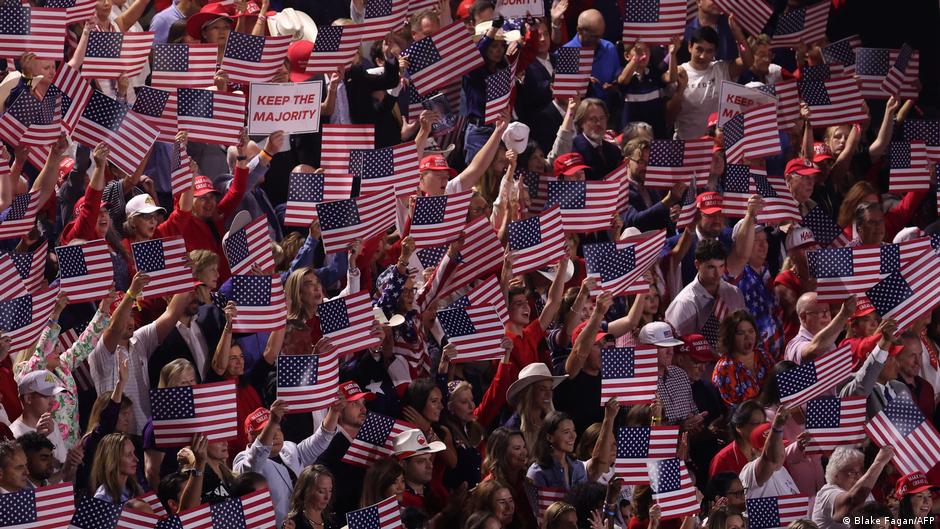
The United States will go to the polls on November 3 for the us midterms, a nationwide ballot that will determine the composition of both chambers of Congress and a host of state governorships. While the election does not decide the next president, it serves as a de facto referendum on President Donald Trump’s second term, with voters choosing who will sit in the Capitol rather than the White House. The stakes are high for both parties, as the balance of power in Washington could shift dramatically depending on the outcomes in the House, the Senate and 36 gubernatorial contests.
Midterm elections occur every four years, exactly halfway between presidential contests, and they give citizens the chance to select all 435 members of the House of Representatives and roughly a third of the Senate’s 100 seats. In this cycle, 35 Senate seats are up for grabs, meaning that not every state will be voting for a senator. In addition, voters in 36 states will decide who will serve as governor for a four‑year term, a role that influences policies ranging from abortion to education at the state level.
The current partisan split in Congress gives Republicans a narrow majority in both chambers, but the margin is fragile. The House holds 218 Republican members, 214 Democrats, one independent who usually sides with Republicans and two vacant seats. Analysts, including election specialist J. Miles Coleman of the University of Virginia’s Center for Politics, expect the Democrats to capture the House, noting that “it would be a surprise if the Democrats don’t at least take the House.” In the Senate, Republicans occupy 53 seats, Democrats 45, and two independents typically align with the Democrats. Because a 50‑50 tie is broken by the vice president, current Vice President JD Vance, a Trump ally, would cast the deciding vote in such a scenario.
For the Trump administration, retaining control of both chambers would make it considerably easier to advance its legislative agenda. Most federal policies require congressional approval, so a Republican‑led Congress would smooth the path for the president’s domestic and foreign initiatives. Conversely, a Democratic takeover of either chamber would force the administration to negotiate more aggressively and could stall or reshape key proposals. Voter turnout traditionally dips for midterms compared with presidential elections, yet the resulting composition of Congress will shape national politics for the next two years and set the tone for the 2028 presidential race.
In the House, Democrats need to net just four additional seats to claim a 218‑member majority. Only a handful of districts remain competitive, with Iowa, Virginia and Montana identified as potential toss‑ups. The Senate race in Texas has drawn particular attention; polls show Democrat James Talarico neck‑and‑neck with Republican incumbent Ken Paxton. Texas has not elected a Democrat to statewide office since 1994, and Talarico’s campaign even enjoys backing from members of the Bush family, underscoring the race’s national significance.
Gubernatorial contests also carry weight, especially in states where policy decisions directly affect daily life. One historic possibility emerging from the us midterms is the election of the nation’s first Black female governor. In Minnesota, Democrat Amy Klobuchar, a long‑time state senator, faces Republican Lisa DeMuth, a Black candidate. While the state leans Democratic and Klobuchar enjoys name recognition, the race in Georgia appears tighter, pitting Black Democrat Keisha Lance Bottoms against Republican Rick Jackson. Should Bottoms prevail, she would join the small cadre of Black women who have broken barriers in state leadership.
The political climate surrounding the us midterms reflects a broader sense of disengagement among many American voters. Polls suggest a sizable portion of the electorate feels undecided or disillusioned, a factor that could swing close races one way or the other. Campaigns across the country are intensifying outreach efforts, hoping to mobilize both traditional supporters and those who have drifted away from the political process.
As November approaches, the nation watches the evolving map of contests that will decide control of the legislative branch and shape state policies. Election officials are preparing for a high‑volume turnout, and both parties are gearing up for post‑election strategies that will depend on the final seat counts. The results of the us midterms, expected later this month, will set the tone for the next phase of American governance.


