


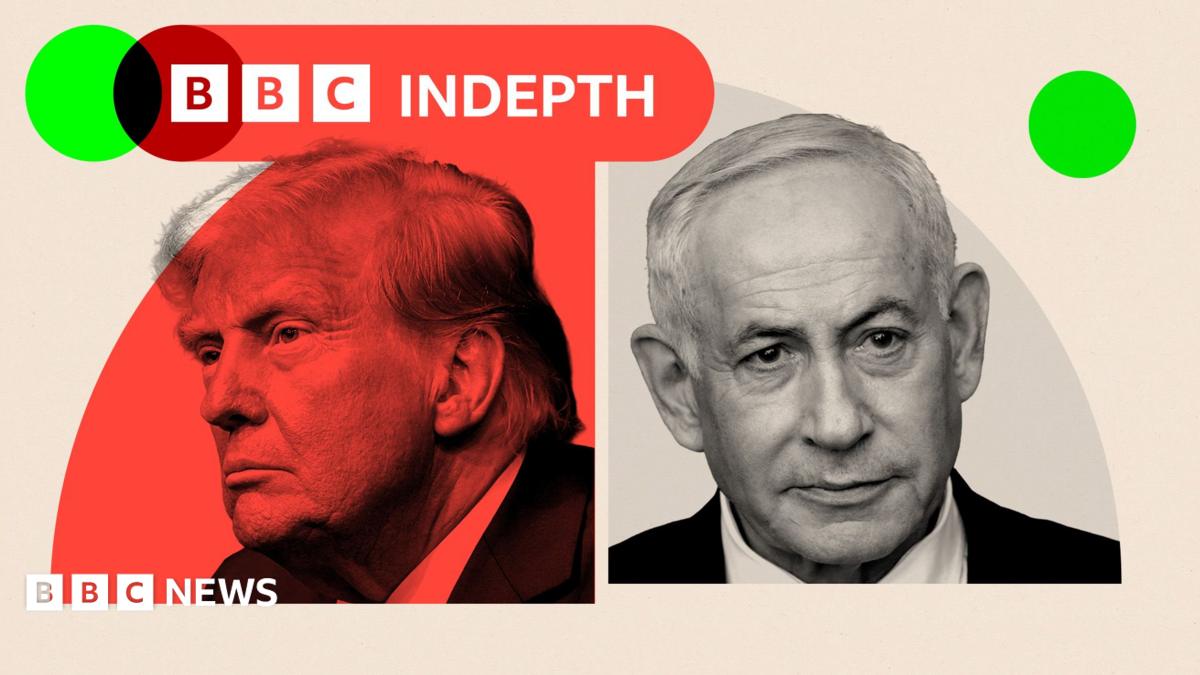
The US Israel elections, scheduled within days of each other, bring voters in Jerusalem and Washington together in a rare electoral coincidence that analysts say could reverberate worldwide. Israelis will head to the polls on Tuesday to choose a new Knesset, while American voters will cast ballots for a new Congress a week later. With both nations locked in a costly war against Iran, the outcomes may steer regional security, global energy markets and the future of US‑Israel cooperation.
In Israel, Prime Minister Benjamin Netanyahu has turned the campaign into a platform for renewed pressure on Tehran, repeating unverified claims about Iran’s nuclear programme and pledging a “must‑overthrow” stance. The rhetoric aims to bolster his image as the country’s security chief after the October 7 Hamas attacks that severely damaged his standing. Across the Atlantic, former President Donald Trump has publicly backed Netanyahu’s re‑election, urging both leaders to “soon finish the job” in Iran, a comment that fuels speculation about coordinated military moves before the ballots are counted.
The link between the two votes goes beyond rhetoric. Republicans Overseas Israel, a lobby group, estimates that roughly half a million Israelis holding US passports can vote in both elections. Its chairman, Marc Zell, told the BBC that about 10,000 absentee ballots from Israel could decide tight US races such as the Michigan Senate contest, noting that “they can really make a difference.” This dual electorate show how policy choices in one country may echo in the other, especially on the war in Iran that began with a massive aerial strike in February and has since stalled, leaving the Strait of Hormuz under Iranian control.
The war’s economic fallout already shapes campaign narratives. In the United States, rising living costs and energy prices dominate mid‑term debates, a situation Trump attributes partly to Iran’s blockade of oil flows. He has tried to lower fuel costs by easing sanctions on Russia, a move that has drawn criticism from Republican senators like Thom Tillis, who argued that solving the Iran issue would be a more direct way to curb energy prices. Meanwhile, Iranian officials have warned of retaliation against airports, pipelines and even undersea cables if further strikes occur, warning that any post‑election attacks could plunge the region into fresh chaos.
In Israel, the war adds pressure to an already strained public purse. Defence spending has surged, exacerbating high inflation and low wages that dominate voters’ concerns. Opposition figures, including former military chief Gadi Eisenkot, have signalled they would not join a unity government that leans on renewed attacks against Iran for political gain. Eisenkot, while acknowledging Iran’s existential threat, cautioned against using the conflict as a campaign tool, echoing broader bipartisan consensus that any escalation must be measured.
American candidates are also feeling the ripple effects. Democratic Senate hopeful Abdul El‑Sayed in Michigan has campaigned on cutting military aid to Israel, arguing that “an ally that takes your money, to push you into wars you shouldn’t be fighting, is not an ally.” In New York, candidate Brad Lander visited the West Bank just before voting, highlighting a growing trend of US politicians linking domestic electoral ambitions with foreign‑policy positions on Israel and Iran.
Should the US Congress shift toward Democratic control, it could impose new limits on military assistance to Israel, though President Trump retains veto power and executive authority over foreign‑policy decisions. Conversely, a Republican‑led Congress might continue robust support for Netanyahu, provided he remains in office. The stakes are high for both sides; a loss for Netanyahu could trigger legal inquiries into the October 7 attacks and ongoing corruption probes, while a defeat for Trump could curtail his ability to shape the Iran conflict before the mid‑terms.
Analysts suggest that both leaders may be timing their strategies around the elections. One Western diplomat observed that Trump is likely to adopt a “legacy mode” after the mid‑terms, seeking decisive action abroad to offset domestic challenges. Likewise, Israeli media speculate that Netanyahu could use a post‑election attack on Iran to justify a national‑unity government, positioning himself as the indispensable security figure.
As the voting days approach, Tehran is watching US opinion polls as closely as any Washington analyst, aware that any shift in American leadership could alter the calculus of a fresh Iranian strike. Iranian foreign minister Abbas Araghchi warned in the Financial Times that new attacks would jeopardise civilian lives, regional stability and the global economy.
With millions of ballots soon to be counted on two continents, the intertwined US Israel elections stand at a crossroads of geopolitics, energy markets and domestic politics. The next weeks will reveal whether voters choose continuity or change, and how those choices will shape the ongoing conflict with Iran and the broader international order.


