

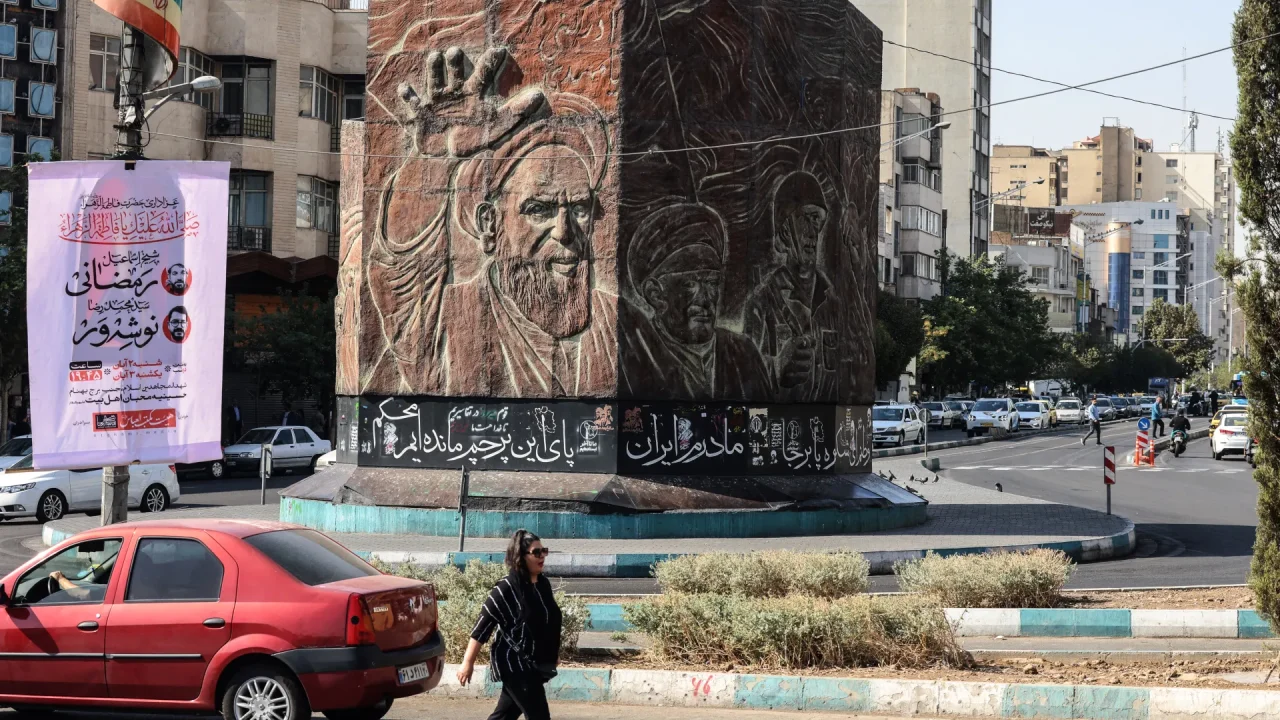
Iran has accused Washington of lacking commitment to iran us talks, a claim that surfaced as a merchant vessel erupted in flames 63 nautical miles southeast of al‑Faw, Iraq. The incident, reported by the United Kingdom Maritime Trade Operations (UKMTO), adds to a string of security challenges in the Gulf region. Iranian officials made the remarks on 27 October 2026 during a high‑level meeting in Tehran that also involved senior representatives from Saudi Arabia, Pakistan and Turkiye, the members of the newly‑formed Mecca Alliance. Both sides said they would keep diplomatic channels open and work toward a peaceful resolution of lingering disputes.
In the early hours of the day, UKMTO issued an advisory that a ship had caught fire while navigating the waters off al‑Faw. The vessel, whose name was not disclosed, was reported to be 63 nautical miles (about 117 kilometres) southeast of the Iraqi port. Rescue teams from the Iraqi coast guard and nearby maritime authorities were dispatched to contain the blaze and assist the crew. While the exact cause of the fire remains under investigation, the incident show the precarious security environment that has plagued the Gulf for months, with occasional attacks on commercial shipping and heightened military posturing by regional powers.
Iranian officials seized on the timing of the maritime mishap to reiterate their frustration with the United States over stalled negotiations. In a statement released in Tehran, the Iranian foreign ministry said the United States had demonstrated “a lack of seriousness” in the ongoing diplomatic process. The ministry’s spokesperson, speaking to reporters, argued that repeated promises from Washington had not translated into concrete steps, leaving Tehran skeptical about the prospects for a breakthrough. “We have repeatedly extended the hand of dialogue, but the United States continues to act in a way that suggests it is not earnest about reaching an agreement,” the spokesperson said.
The comments came shortly after a summit in Tehran that brought together senior officials from Saudi Arabia, Pakistan and Turkiye, collectively known as the Mecca Alliance. The alliance, formed earlier this year, aims to foster regional cooperation on security, trade and political issues, and to serve as a counterbalance to external influences. During the meeting, Iran’s president and the head of its security council met with their counterparts from the three nations. Both sides affirmed their commitment to continue talks, with the Iranian president noting that “peace and stability in the Gulf are shared interests that must guide our actions.” The security chief added that the alliance would maintain open lines of communication with all stakeholders, including the United States, despite the current tensions.
Analysts familiar with the negotiations point out that the “iran us talks” have been intermittent since the 2022 nuclear agreement was revived. While there have been periodic exchanges of diplomatic notes and limited confidence‑building measures, substantive progress on sanctions relief and nuclear constraints has been elusive. The United States, under its current administration, has emphasized the need for Iran to adhere to strict verification protocols before any major concessions are made, a stance Tehran interprets as inflexibility. The recent Iranian accusation may therefore reflect a broader strategy to pressure Washington into a more favorable negotiating posture.
The vessel fire, although isolated, could have broader implications for commercial traffic in the region. The Strait of Hormuz and adjacent waters are critical arteries for global oil shipments, and any disruption can ripple through energy markets. Shipping companies have already issued advisories urging crews to remain vigilant and to follow the guidance of naval patrols operating in the area. The Iraqi authorities have pledged to investigate the incident thoroughly, coordinating with international partners to determine whether the blaze was accidental, the result of sabotage, or linked to the wider security threats that have plagued the Gulf in recent years.
Reactions from the United States have been muted in the immediate aftermath. A senior State Department official, speaking on condition of anonymity, declined to comment on Iran’s allegations, noting only that “the United States remains committed to a diplomatic solution and will continue to engage with all regional partners.” The official added that Washington monitors maritime incidents closely and works with allies to ensure the safety of commercial shipping.
The Mecca Alliance, meanwhile, signaled its willingness to act as a mediator if required. A Turkiye foreign ministry representative said the alliance “stands ready to facilitate dialogue that can de‑escalate tensions and promote mutual security.” Pakistan’s foreign secretary echoed the sentiment, emphasizing that “regional stability benefits all parties and must not be compromised by unilateral actions.” Saudi officials, while not directly commenting on the Iran‑US dispute, reaffirmed their support for the alliance’s objectives and urged all countries to respect international law and the freedom of navigation.
In the days ahead, the focus will likely shift to the next round of diplomatic exchanges. Iranian officials have indicated that they expect the United States to demonstrate “concrete actions” rather than rhetorical overtures. Whether Washington will respond with a new diplomatic overture, a concession on sanctions, or a reinforcement of its current stance remains uncertain. The outcome of the upcoming talks could determine the trajectory of regional security, especially given the fragile balance that exists between competing interests in the Gulf.
As the investigation into the burning vessel continues, maritime authorities are urging ships to follow the latest safety advisories and to report any suspicious activity. The incident serves as a reminder that, even as diplomatic overtures proceed, the physical security of shipping lanes remains a pressing concern for nations that depend on Gulf trade.
The next step, according to Iranian statements, will be a follow‑up meeting with US representatives, the date of which has yet to be set. Both Tehran and Washington appear poised to test the durability of their diplomatic engagement amid a backdrop of ongoing regional volatility.