


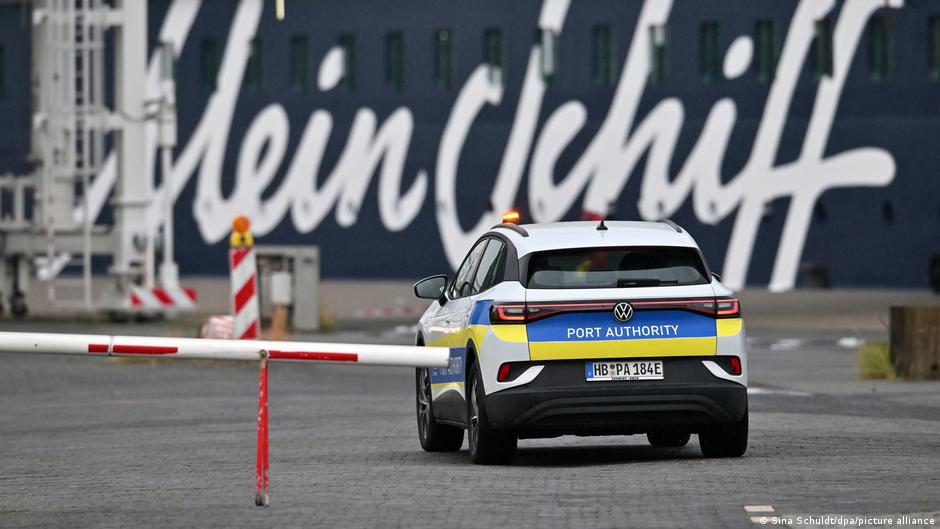
The sudden cruise collision in the busy North Sea port of Bremerhaven has put the captain of the TUI‑operated liner Mein Schiff 3 under police scrutiny. The incident, which unfolded on the evening of Sunday 26 October 2026, forced the cancellation of a 20‑day cruise to the Canary Islands and left damage estimates running into the millions of euros.
At the time of the crash the cruise ship was almost fully booked, carrying 2,428 passengers and 922 crew members. Tugboats were assisting the vessel as it manoeuvred out of the northern German harbour, a routine that relies on close coordination between the ship’s bridge and the tug crews. According to police, a sudden gust of wind pushed the liner sideways into two container ships that were moored alongside the quay. The impact created a three‑ship collision that ripped open several metres of the larger container vessel’s port side, deformed its container guides and left the cruise ship with significant damage to its lifeboats and bridge. The smaller container ship suffered only minor harm.
Photographs released after the event show the damage occurring several metres above the waterline, meaning the hull of the cruise liner remained intact and no flooding took place. Because the breach was above the water, none of the vessels took on water and there were no injuries among the more than three thousand people on board. After the collision, the Mein Schiff 3 was able to return to the cruise terminal under its own power, allowing harbour authorities to secure the scene without further disruption to other traffic.
Police officials said the investigation aims to determine whether the captain breached his duty of care, a possible administrative offence under German maritime law. While the exact nature of the alleged lapse has not been disclosed, the probe will examine the captain’s decisions during the manoeuvre, the actions of the tugboats and the meteorological data recorded at the time. A police spokesperson confirmed that proceedings have been opened, and investigators spoke to the captains of all three vessels through the night into Monday, according to broadcaster RTL. Statements and operational logs are now being reviewed to piece together the chain of events that led to the crash.
Technical experts boarded the Mein Schiff 3 shortly after the accident and concluded that extensive shipyard repairs would be required before the vessel could resume service. TUI Cruises, the operator, described the decision to cancel the upcoming Canary Islands cruise as “the only responsible decision,” emphasizing that passenger and crew safety remained the highest priority. Passengers were initially allowed to remain aboard while the company arranged alternative assistance and accommodation. All 2,428 guests who had booked the voyage were affected, and the operator has not yet confirmed whether other scheduled cruises for the remainder of the year will go ahead as planned.
The financial fallout from the cruise collision is expected to be considerable. Damage assessments run into the millions of euros, covering both the repair of the cruise liner and the cost of restoring the container ships. For the cruise line, the loss of a 20‑day itinerary means not only repair expenses but also the need to reimburse passengers, re‑book them on alternative sailings and manage accommodation costs. For the port of Bremerhaven, the incident highlights the vulnerability of a hub that handles a high volume of both passenger and cargo traffic, especially when sudden weather changes intervene.
Maritime safety experts note that wind gusts are a known risk in the confined waters of busy ports, where large vessels often rely on tug assistance to deal with tight turning circles. They stress that strict adherence to navigation protocols, continuous real‑time weather monitoring and clear communication between ship masters and tug operators are essential to prevent similar accidents. The Bremerhaven harbour, one of Germany’s key gateways to the North Sea, has a long history of handling cruise ships, container traffic and bulk carriers, making coordinated safety procedures a critical component of daily operations.
TUI Cruises has pledged full cooperation with the police investigation and promised to keep affected passengers informed about compensation and re‑booking options. A company spokesperson said that once the necessary repairs are completed, the Mein Schiff 3 will return to service, although a precise timeline has not been set. In the meantime, the broader German cruise industry is facing heightened scrutiny as regulators review whether existing safety procedures are sufficient to protect both passengers and commercial shipping traffic in congested ports.
The next steps in the cruise collision case will involve a detailed review of the captain’s handling of the vessel, the tugboats’ response to the wind shift and the meteorological data logged at the moment of impact. Police investigators are expected to submit a report to the maritime court, where any administrative findings could lead to penalties or further disciplinary measures. As the legal process moves forward, passengers, industry observers and the port authority await clarification on how the incident will shape future cruise operations out of Bremerhaven.