

The night Fleetwood Arsenal upset unfolded at Highbury Road will be remembered as the biggest in the club’s short‑lived history. On Tuesday, the League Two side hosted the Premier League champions in the Carabao Cup, and after a tense 90 minutes plus extra time, the hosts prevailed in a penalty shootout that sent them into the quarter‑finals. The result stunned a crowd that arrived more hopeful than expecting a victory, yet left the town of Fleetwood buzzing with disbelief and pride.
The match began with an early lead for the hosts when Aaron Loupalo‑Bi found the net in the 21st minute. Arsenal, however, equalised after the interval through Viktor Gyokeres, setting the stage for a tightly contested encounter. Both sides created chances, but the Gunners were hampered by a red card when Max Dowman was dismissed after a robust challenge from Harrison Neal. The dismissal left Arsenal short‑handed and forced them to rely on a defensive display that ultimately proved insufficient.
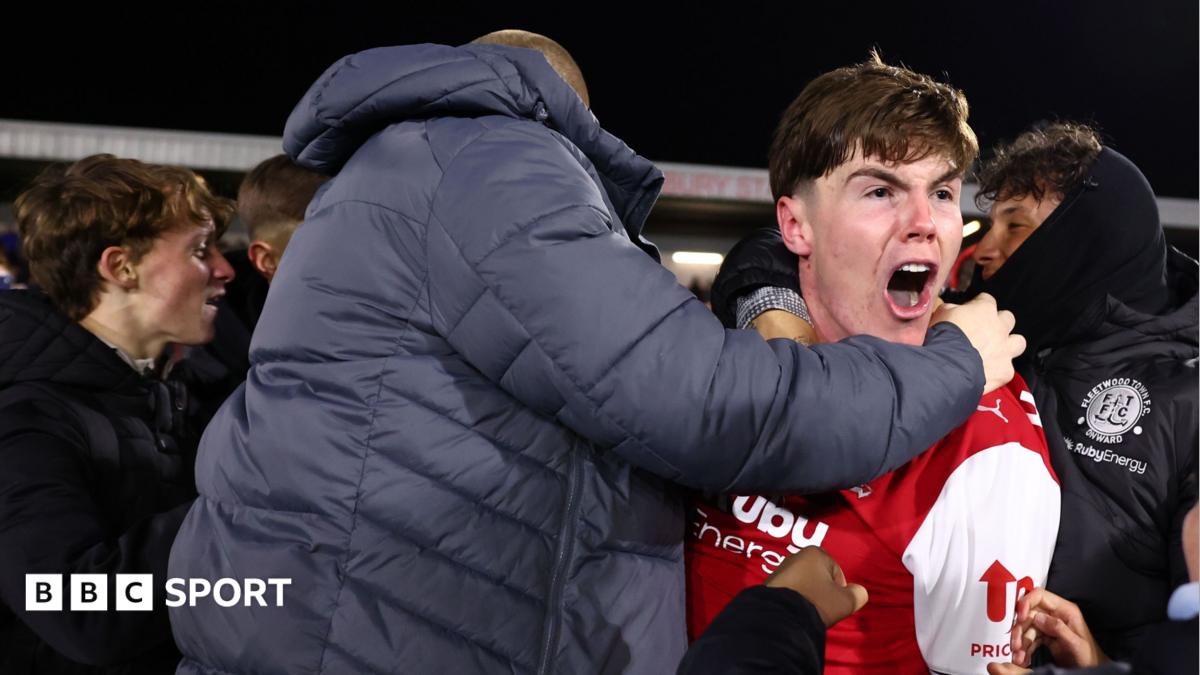
When the whistle blew after extra time, the game moved to penalties. Conor Haughey stepped up to take the decisive spot‑kick, slotting the ball home to seal a 5‑4 shootout win for Fleetwood. Goalkeeper Jay Lynch earned the hero’s status by denying three Arsenal shooters, Ben White, Martin Ødegaard and Bruno Guimarães, with clean‑handed saves that kept the scoreline level. “My voice has gone from organising the defence,” Lynch told Sky Sports after the match, noting how the windy conditions at the ground had played into their hands.
Manager Matt Lawlor could not hide his amazement. “The biggest night in the club’s history in terms of opposition coming to town and we’ve managed to beat the champions,” he said to Sky Sports. He added that, as a lifelong follower of English football, preparing his side for such a fixture had been a daunting task, but the players rose to the occasion. “I’m just so glad the lads have the feeling they do and have made the town, the club, everyone proud.”
Left‑back Jake Batty, speaking on BBC Radio 5 Live, reflected on the contrast between the club’s league form and their cup performance. “Our league form’s not being as good as we’d like, but cup competitions light a fire in the belly,” he said. He praised the atmosphere created by the fans who spilled onto the pitch during the shootout, describing the moment as one to “tell the grandkids.” Batty also expressed hope that the club could replicate the excitement in future home fixtures, urging the town to rally behind the team in the league.
Fleetwood’s journey to this point has been rapid. In just 12 years, the Cod Army have climbed six divisions, moving from non‑league football to the English Football League. Their ascent, however, has been uneven; they sit 18th in League Two, having won only one of their last eight league games. The win over Arsenal therefore stands out as a beacon amid a season that has seen relegation from League One confirmed on 20 April 2024 and a string of defensive frailties, including six goals conceded in the two league matches preceding the cup tie.
For many supporters, the upset felt almost surreal. Long‑time fan Ben, who has followed the club for 15 years, described the experience on air as “the best night of my life.” He recounted how he had just endured a 3‑0 defeat at Cheltenham and a 2‑1 loss at Exeter before the Arsenal game, and how the victory made him question why he kept supporting the team. “I’m getting 500 messages on my phone,” he laughed, “and I can’t believe this is happening.”
The win also drew parallels with Grimsby Town’s famous victory over Manchester United in the same competition the previous season. Lynch admitted that the players took heart from that historic upset, using it as motivation. “We kind of compared it,” he said, noting the similarity of both clubs being lower‑league sides triumphing over top‑flight opposition.
Looking ahead, Lawlor reminded his squad that reality awaits. “It’s really hard to address the players. I’ve just said to enjoy it and then we’ve got a league game on Saturday,” he told reporters, referring to an upcoming clash with Bristol Rovers. He stressed that while the cup run offers a morale boost, the primary objective remains survival and progress in League Two.
The financial implications of reaching the Carabao Cup quarter‑finals could also be significant for a club of Fleetwood’s size. Prize money from the competition, along with increased gate receipts and potential television revenue, may provide a welcome injection to a budget that has been stretched thin by recent relegation and modest attendances. The town’s businesses have already reported a surge in activity on match day, with local pubs and restaurants packed by supporters celebrating the upset.
As the dust settles, the narrative of a small seaside town taking on the Premier League champions and emerging victorious will linger in national headlines. The story adds to the rich tradition of giant‑killing in English cup football, reinforcing the notion that, on any given day, lower‑league clubs can challenge the hierarchy. For Fleetwood, the immediate focus will shift back to the league, where the battle for points continues. Yet the memory of the Fleetwood Arsenal upset will likely inspire both players and fans as they strive for better results in the weeks ahead.