

A week after vulnerabilities in the widely used programming language PHP were made public, the php crisis has moved from specialist forums into mainstream conversation. The flaws, discovered by security researchers earlier this month, threatened millions of websites that rely on PHP for everything from small blogs to major e‑commerce platforms. With the help of insiders, the BBC’s Tech Life programme traced how a single developer’s efforts were key to containing the threat and preventing a larger collapse of online services.
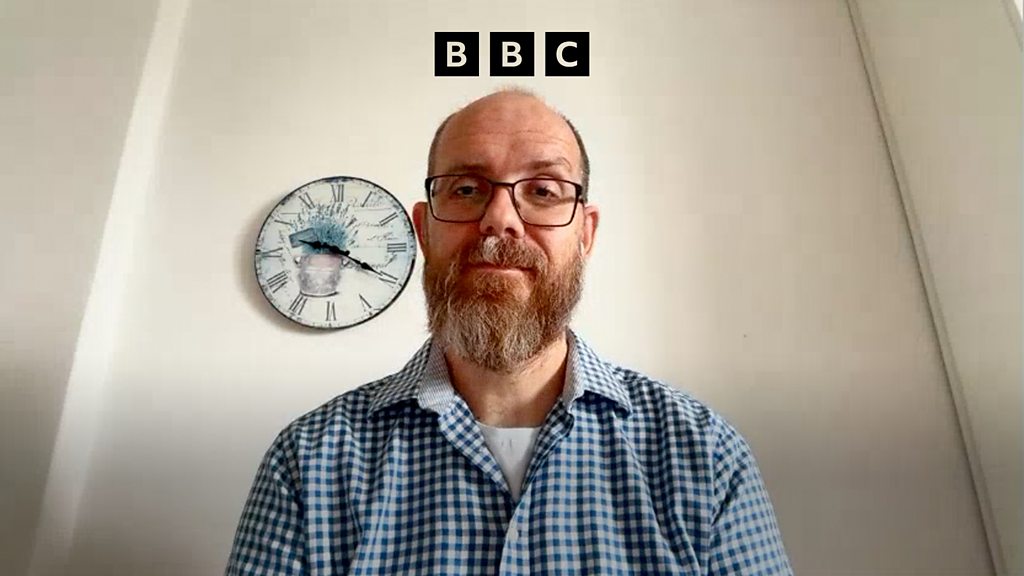
The story centers on Ondřej Surý, a Czech programmer known in the open‑source community for his contributions to PHP’s core. Surý, who appeared on a video call for the programme, described the moment the vulnerabilities were disclosed as a “race against time”. He and a small group of volunteers set to work on patches within hours, coordinating through encrypted channels to ensure the fixes could be rolled out before attackers could exploit the weaknesses at scale. Their swift actions have been credited with averting a potential cascade of website defacements, data breaches, and service outages that could have affected everything from online banking to government portals.
PHP, first released in 1995, powers an estimated 78 percent of the web, according to industry estimates. Its popularity stems from its ease of use and the massive ecosystem of content‑management systems such as WordPress, Drupal and Joomla. Because of that reach, any serious flaw in its code base can have far‑reaching consequences. When the vulnerabilities were uncovered, security alerts began circulating among developers, prompting frantic updates to servers worldwide. Hosting companies reported spikes in ticket volumes as clients scrambled to apply the new patches.
Industry bodies responded quickly. The PHP Development Team issued an emergency advisory, urging all users to upgrade to the newly released version 8.2.12, which incorporates the critical fixes. Major cloud providers, including Amazon Web Services and Microsoft Azure, rolled out automated updates for their managed PHP services within 48 hours. Meanwhile, the UK’s national supercomputer centre, whose director was interviewed for the same Tech Life episode, offered its computing resources to test the patches against a broad range of real‑world workloads, ensuring that the fixes would not introduce new instability.
The crisis also highlighted the growing reliance on open‑source software in critical infrastructure. While the community model allows for rapid innovation, it can leave vital components exposed when a handful of volunteers are the primary maintainers. Surý’s involvement exemplifies both the strengths and the vulnerabilities of that system. His willingness to step forward, coordinate across borders and work around the clock demonstrates the informal network that often steps in when commercial entities are slow to react.
Reactions from the tech sector have been mixed. Some executives praised the community’s speed, noting that the “collective effort saved the internet from a potentially massive disruption”. Others called for more formal funding and governance structures to support the maintainers of essential codebases. A spokesperson for the European Union’s Digital Services Act office said the incident show the need for “robust, publicly funded mechanisms to ensure the security of open‑source projects that underpin critical services”.
For ordinary Nigerians, the php crisis may seem distant, but its impact is tangible. A large share of Nigerian small‑business websites run on WordPress, which in turn depends on PHP. In the days following the announcement, several local web‑hosting firms reported a surge in clients updating their sites, fearing that unpatched sites could be compromised. Cyber‑security firms in Lagos warned that attackers often scan for known vulnerabilities shortly after patches are released, making prompt updating essential to avoid exploitation.
The episode of Tech Life also featured a lighter segment, where a comedian’s jokes were repurposed by an AI avatar that went viral, drawing millions of views. While unrelated to the php crisis, the piece illustrates the rapid evolution of digital content creation and the challenges of attribution in an AI‑driven landscape.
Looking ahead, the PHP community plans to launch a formal security fund, financed through donations and contributions from major corporations that rely on the language. Surý and his collaborators intend to continue monitoring the code for future weaknesses, emphasizing that security is an ongoing process rather than a one‑off fix. The BBC’s report concluded with a promise to follow up on the long‑term measures being put in place to protect the internet’s backbone.
As the patches become widely adopted, the immediate threat of the php crisis recedes, but the episode serves as a reminder of how a single language’s vulnerability can ripple across the global digital ecosystem, prompting coordinated action from developers, companies and governments alike. The next steps will involve auditing other open‑source components to ensure similar weaknesses are addressed before they can be weaponised.