


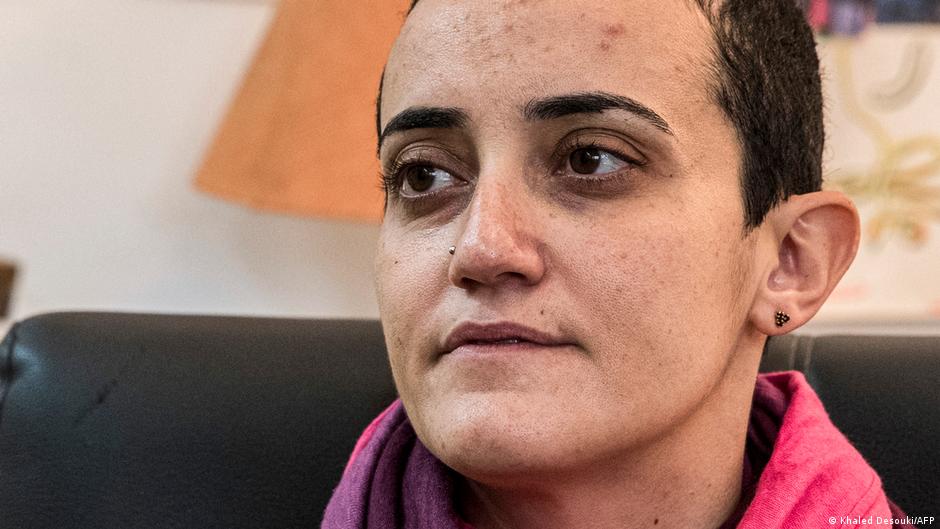
The Egyptian court’s decision to shut down the independent news site Mada Masr and fine its editor‑in‑chief Lina Attalah has sent shockwaves through the country’s media landscape. On Tuesday in Cairo, the judge convicted Attalah of operating without a licence, imposed a 3 million‑pound (about $53,400) penalty, ordered the website’s equipment to be confiscated and briefly detained the journalist before releasing her after the fine was paid. The ruling, hailed by rights groups as a severe blow to press freedom, marks the latest escalation in a series of legal actions targeting independent reporting in Egypt.
The verdict came after a hearing in which Attalah’s eight‑person defence team saw their requests to examine the case file and submit further evidence rejected. According to Hossam Bahgat, head of the Egyptian Initiative for Personal Rights, the judge went further by appointing a new lawyer for Attalah without her consent and dictating motions on that lawyer’s behalf, even though the lawyer did not speak during the session. “In an even more shocking turn, the judge proceeded to dictate motions on behalf of this lawyer, who had not uttered a single word, and entered them into the official record,” Bahgat told AFP. Security officers moved in as the judge read the verdict, and Attalah was held for several hours before being released once Mada Masr paid the imposed fine, her lawyer Hassan al‑Azhari confirmed.
Mada Masr, founded in 2013, has long been one of the few remaining outlets in Egypt that publishes investigative pieces on corruption, human‑rights violations and the military’s role in governance. The site has faced a litany of legal challenges: six cases have been filed against it and its staff over the past six years, and the government has blocked domestic access to its website since 2017. The outlet says it first applied for a publishing licence in 2018 but never received a response; it learned of a rejection only when prosecutors raised the issue in a separate case in 2022. A fresh application submitted in 2023 remains pending, according to Mada Masr’s statements.
The court’s order not only forces the shutdown of the website but also mandates the seizure of its servers and other equipment, effectively silencing its digital newsroom. In addition, Attalah learned that she had already been sentenced in absentia in 2024 to one year in prison and a fine of 20,000 pounds for “spreading false news” and running an unlicensed site. Her legal team has appealed that conviction and is preparing for a new hearing scheduled for 11 November.
International reaction has been swift and critical. A coalition of 119 rights organisations and media outlets, including Amnesty International, Human Rights Watch and the Committee to Protect Journalists, denounced the prosecution as “an unprecedented attack on press freedom.” Amnesty International described the decision as “a crushing blow to press freedom in Egypt and marks a dark day for independent journalism.” Reporters Without Borders called the ruling “outrageous” and “shameful,” while CPJ regional director Sara Qudah warned that the case signals no safety for independent journalists in the country. US Senator Chris Van Hollen also condemned the charges, saying “journalism is not a crime.”
The Mada Masr case sits within a broader crackdown on dissenting voices. In September, six journalists from the fact‑checking platform Matsadaash were arrested on terrorism‑related accusations, with authorities alleging links to the outlawed Muslim Brotherhood and claims of spreading false information to destabilise the state. Those journalists have reported torture during detention, allegations the Interior Ministry denies. Prosecutors have since extended the pre‑trial detention of the Matsadaash staff by another 15 days, a move rights groups warn could be prolonged for months or even years. The Egyptian Initiative for Personal Rights estimates that 26 journalists are currently held for work‑related reasons.
Egyptian officials maintain that the country respects freedom of expression but stress that media outlets must obey licensing rules, protect national security and combat misinformation. They argue that the legal actions against Mada Masr and other outlets are rooted in law, not in an attempt to silence criticism. Nonetheless, critics point out that the licensing process is opaque, that the state has repeatedly blocked access to independent sites, and that the heavy fines and prison sentences appear designed to deter investigative reporting.
As the legal battle continues, Mada Masr has announced its intention to appeal the closure order, though the immediate effect is that the website is offline and its journalists are left without a platform. The fine paid by the outlet covers the maximum penalty for the alleged offence, but the financial burden and loss of infrastructure pose a significant hurdle for any future operations. Observers note that even if the appeal succeeds, the precedent set by the court could make it harder for other independent media to obtain licences or to operate without fear of punitive action.
The next procedural step will be the hearing slated for 11 November, where Attalah’s defence hopes to challenge the conviction and the closure order. In the meantime, international watchdogs are urging the Egyptian judiciary to respect press freedoms and to ensure that any licensing requirements are applied transparently and fairly. The outcome of this case will likely shape the environment for independent journalism in Egypt for years to come.