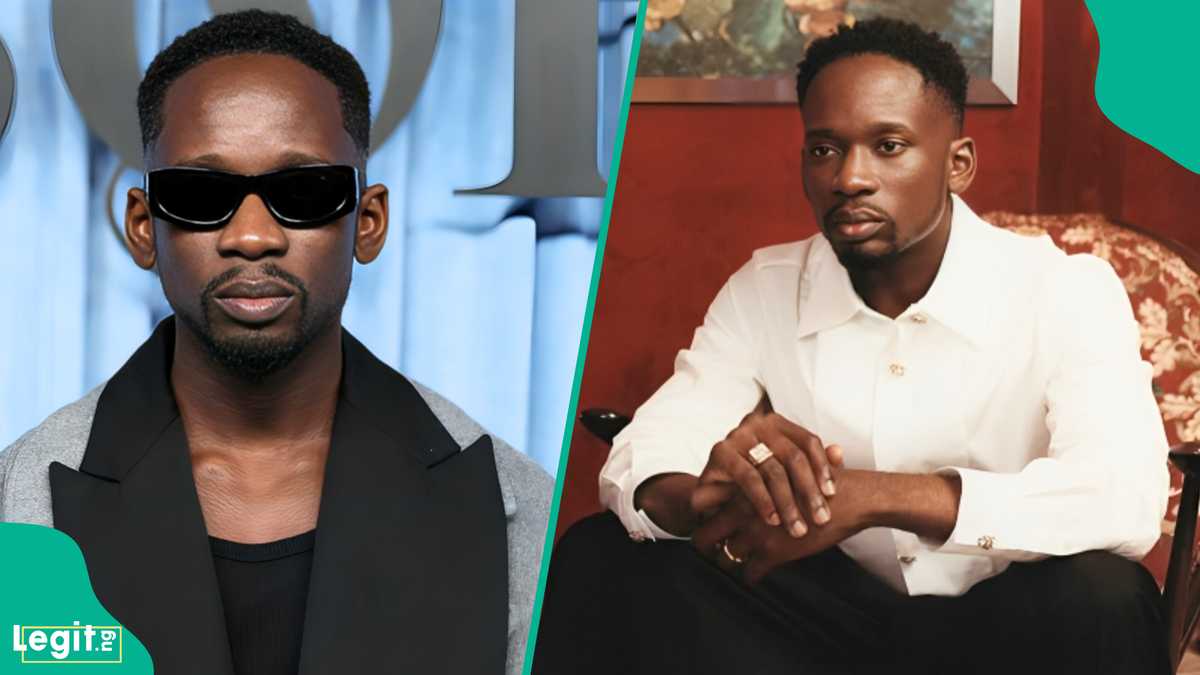
Mr Eazi’s TikTok video became the centre of a heated discussion during a recent meeting with an investor who also serves as his mentor, the artist revealed in a segment of the Big Convo Live interview that was later shared on X on 28 October. The older businessman, after his child pointed out the clip, warned that the content cast the musician in a “wrong light.” The encounter, which unfolded over a meal, saw the Nigerian Afrobeats star push back with a direct question about their commercial relationship, turning the conversation on its head.
According to the artist, the mentor’s concern was not about the video’s artistic merit but about the impression it left on viewers. “My child showed me the video and it gave the wrong impression of who Mr Eazi is,” the investor allegedly said, urging the singer‑entrepreneur to reconsider his public image. Rather than accepting the criticism, Mr Eazi asked, “We do business together, right? We do big business? So because of that TikTok, you’re not going to do business with me?” The mentor affirmed that their partnership would remain intact, prompting the musician to articulate his stance.
“I’m not you. I’m Mr Eazi. Like, there’s nobody you’ll see with silver hair and a puff‑puff. I can rock that! There’s no other person in the world that can rock a puff‑puff with silver hair and still be on TikTok and still walk into the boardroom… So I’m grateful for it, but I don’t take it,” he said. His response highlighted a broader tension that many public figures face: the clash between personal social‑media expression and the expectations of business partners.
Mr Eazi’s career straddles both entertainment and venture capital. He founded emPawa Africa, a music accelerator that nurtures emerging African talent, and he is a partner at Zagadat Capital, a firm that backs African technology startups. These dual roles have given him a platform that extends well beyond the stage, positioning him as both a cultural icon and a business influencer. In his view, the two worlds are not mutually exclusive. The TikTok clip, he argues, is part of his authentic brand, not a liability to be trimmed for corporate comfort.
The incident also show how quickly personal content can travel beyond its intended audience. A short clip from the Big Convo Live interview was posted on X, where it quickly garnered attention from fans and commentators alike. While some viewers praised the artist’s confidence, others echoed the investor’s sentiment, suggesting that a high‑profile musician should maintain a more polished online presence. The rapid spread of the clip illustrates the modern reality that a single post can become a flashpoint for public debate, especially for personalities who juggle multiple professional spheres.
For ordinary Nigerians, the exchange offers a glimpse into the evolving expectations placed on local celebrities. In a country where social media usage continues to rise, many artists now use platforms like TikTok to connect directly with fans, showcase personality, and promote projects. At the same time, the growing involvement of Nigerian entertainers in venture capital and other business ventures means that they are increasingly scrutinised by investors who may prefer a more conventional image. Mr Eazi’s refusal to temper his online persona reflects a shift toward embracing authenticity, even when it challenges traditional business norms.
The discussion also ties into other recent stories about the star’s personal life. Earlier reports noted that Mr Eazi hired nine doctors across different countries to monitor his wife Temi Otedola’s pregnancy, a move he justified by the couple’s hectic travel schedule. That episode, like the TikTok debate, illustrates how the artist’s high‑profile status invites public interest in both his professional decisions and private affairs.
Industry observers note that the balance between personal branding and corporate expectations is not unique to Nigeria. Globally, musicians, athletes and influencers often deal with similar dilemmas, weighing the benefits of relatability against the risk of alienating sponsors. In Mr Eazi’s case, his statement that no one else can “rock a puff‑puff with silver hair” while still commanding boardroom respect serves as a personal credo: his individuality is a marketable asset, not a hindrance.
As the clip continues to circulate, the next step appears to be a broader conversation within Nigeria’s entertainment and investment circles about how social media behaviour should be evaluated in partnership decisions. Mr Eazi’s mentor has not indicated any intention to sever ties, and the venture firm Zagadat Capital has yet to comment publicly. Meanwhile, the artist remains active on TikTok, posting content that blends music promotion with light‑hearted personal moments, suggesting that the platform will stay a fixture in his outreach strategy.
The episode may prompt other investors to reassess their own expectations of celebrity partners, but for now, Mr Eazi’s stance signals that he will keep posting TikTok videos, confident that his unique blend of creativity and entrepreneurship can coexist without compromising either realm.