


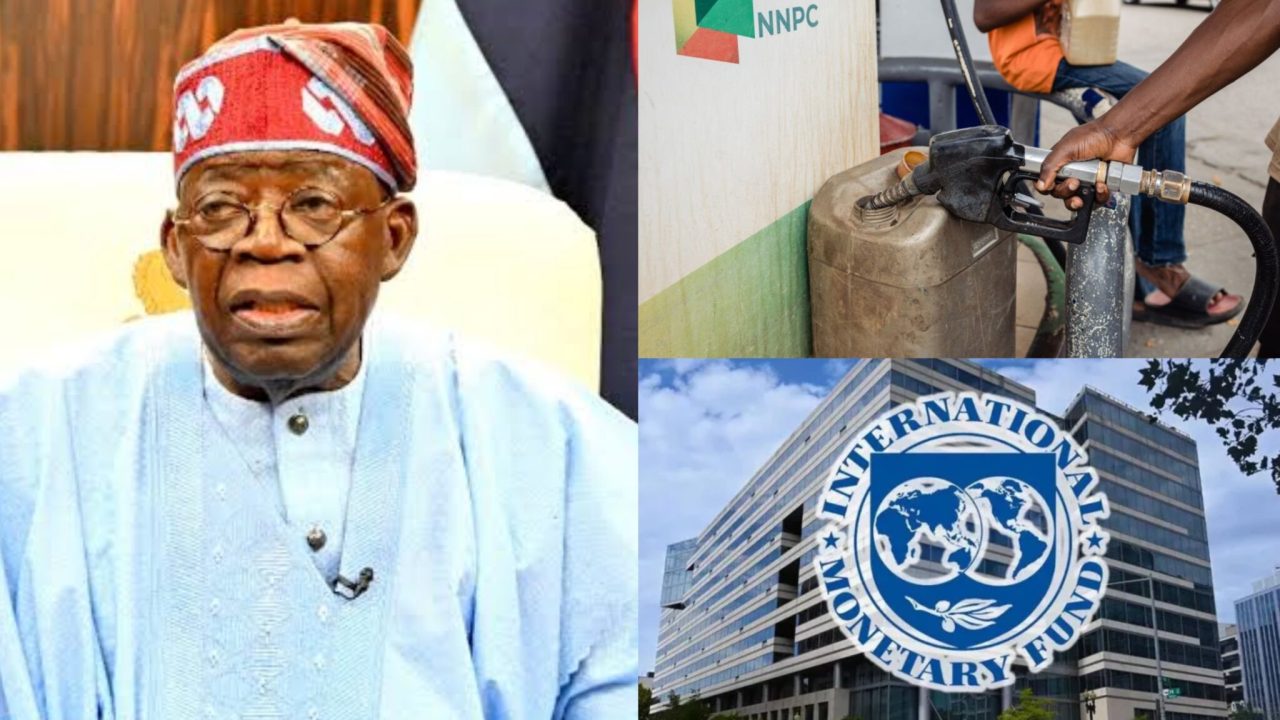
The International Monetary Fund has urged Nigeria to scrap the blanket petrol subsidy and shift support to targeted measures such as public‑transport subsidies, assistance for vulnerable farmers and expanded social welfare programmes. The advice was delivered on Wednesday at a press briefing in Bangkok during the IMF’s Fiscal Monitor session, as the country wrestles with rising fuel and transport costs ahead of an election year.
IMF’s fiscal rationale
Rodrigo Valdés, director of the IMF’s Fiscal Affairs Department, warned that blanket fuel subsidies are fiscally expensive and tend to benefit higher‑income consumers more than the poor. He said such subsidies can cost between one and 1.5 percent of a country’s gross domestic product in 2026, a burden that is hard to bear when borrowing costs rise and public finances are already stretched. “It’s first fiscally very costly, and second, if you look at the pattern of consumption, it’s easy to see that that subsidy is readily regressive in many places,” Valdés told reporters.
Valdés argued that protecting people does not mean protecting fuel prices. “Protecting people is not the same as protecting the price of fuels,” he said, adding that social safety nets and reliable household data can help governments pinpoint those who truly need help. He cautioned that subsidies also distort energy demand, preventing consumers from adjusting consumption when supply tightens, which can push up global fuel prices. “When you subsidise, you don’t allow, at the end of the day, demand to adjust,” he explained.
Targeted alternatives on the table
Davide Furceri, a division chief in the same IMF department, elaborated on alternatives that could deliver relief more directly. He suggested that funds earmarked for a universal petrol subsidy be redirected to subsidising public transportation fares, school feeding programmes and geographically targeted assistance for smallholder farmers. “For example, you mentioned transportation costs. Yeah, gasoline could go up, and perhaps bus fees may be subsidised in a way that is a much better policy at the end of the day than just a blanket subsidy for everybody,” Furceri said.
Furceri acknowledged that many developing nations lack the digital infrastructure and household databases needed for precise targeting. He recommended that governments adopt interim measures while they build the capacity to identify beneficiaries and deliver aid efficiently. He stressed that any such programmes should be temporary, limited in scope and focused on the most vulnerable groups.
Government’s short‑term response
The IMF’s recommendations arrive as Nigeria’s Federal Government has rolled out a 30‑day petrol discount at Nigerian National Petroleum Company (NNPC) retail outlets, with a focus on public‑transport operators. Finance Minister Taiwo Oyedele announced that NNPC would sell fuel at cost by forgoing its usual retail profit margins, a move he described as a temporary relief effort rather than a return to the full‑scale petrol subsidy.
The government is negotiating a ceiling of ₦1,350 per litre for the ex‑gantry price of petrol, a figure that will be reviewed each month. These steps aim to cushion the impact of higher fuel costs without reinstating a blanket subsidy that the IMF says is fiscally unsustainable.
Broader implications for Nigerians
For ordinary Nigerians, the debate over petrol subsidy matters in daily life. Fuel price spikes translate into higher transport fares, increased costs for goods and services, and heightened inflationary pressure on household budgets. By shifting support to public‑transport subsidies, the government could lower bus and commuter‑train fares, offering immediate relief to commuters who spend a large share of their income on travel.
Targeted assistance for vulnerable farmers could also mitigate the knock‑on effects of higher energy costs on food production, helping to stabilise prices of staples that many families rely on. School feeding programmes would address child nutrition, a concern that often worsens during periods of economic stress.
However, the success of these measures depends on the government’s ability to identify eligible recipients accurately. Without robust data systems, there is a risk that aid may not reach those most in need, or that leakages could occur. The IMF’s call for building such infrastructure show a longer‑term challenge for policymakers.
Next steps
The IMF has not set a deadline for Nigeria to adopt its recommendations, but the fund’s Fiscal Monitor will continue to monitor the country’s fiscal policies throughout the year. As the election approaches, pressure is likely to mount on the administration to demonstrate tangible relief for citizens facing soaring living costs. Whether the government will expand the temporary petrol discount, formalise a public‑transport subsidy scheme or invest in the data systems needed for targeted programmes remains to be seen.
For now, the IMF’s stance signals that a return to a blanket petrol subsidy would be costly and potentially harmful to both Nigeria’s public finances and global energy markets, while targeted assistance offers a more sustainable path forward.


