


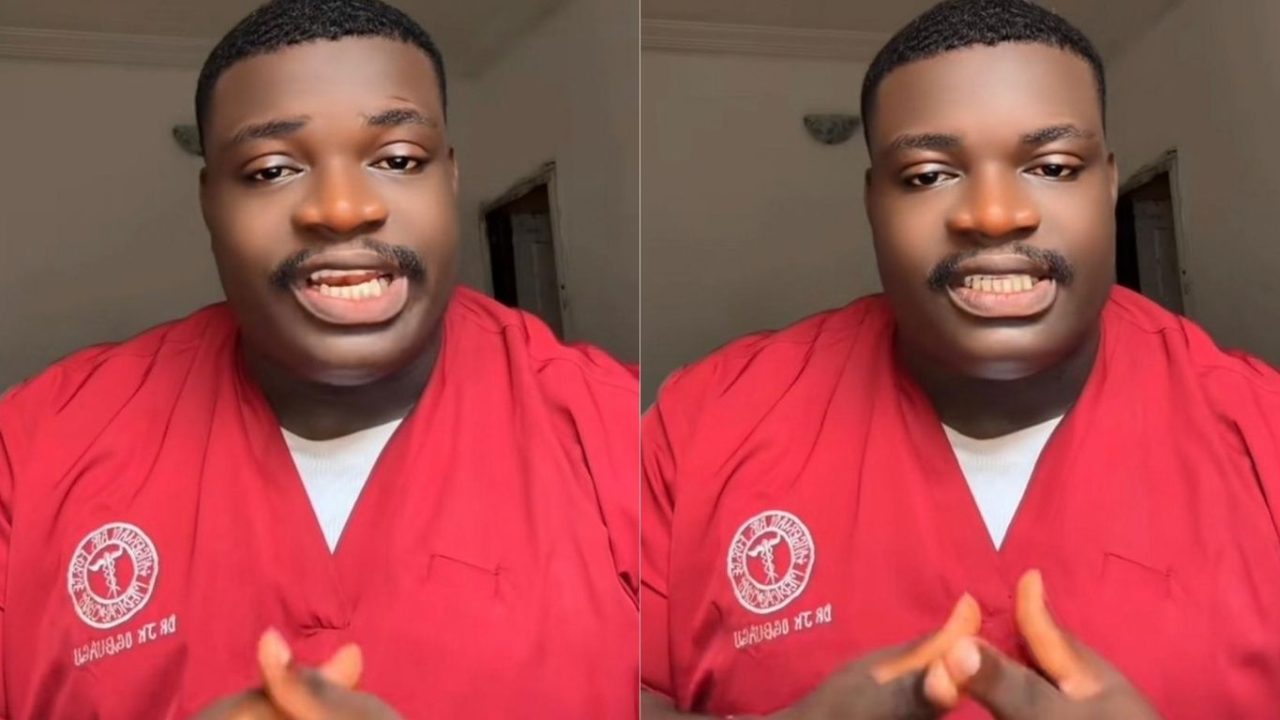
A Lagos‑based physician posted a TikTok video on Thursday explaining how a series of missed calls from his siblings kept him from reaching his ailing father in time. The doctor, who identifies himself online as @drsmile72, said his father’s condition worsened, he was rushed to a city hospital, and the doctor arrived only to find his father already dead.
Phone on “Do Not Disturb”
In the short clip, the doctor narrates that he had been caring for his father at home, giving him medication and monitoring his breathing. He said he had stayed home that day because he had not been to work for more than two weeks, alleging that the Federal Government still owed salaries to workers at his workplace. When his father’s breathing became “bad” and he stopped talking, the doctor instructed a nanny to continue the care.
He added that his siblings called him “countless times” as the situation deteriorated, but his phone had been set to Do Not Disturb (DND). “My phone was on DND and wasn’t ringing out. I was asleep. It was my alarm that woke me up, and that was how I saw so many missed calls and messages from my siblings,” he said.
Only after the alarm went off did he discover the missed calls and messages, prompting him to rush to the hospital. By the time he arrived, he said he found his father “lifeless on the ground.” Medical staff later confirmed the death, leaving the doctor devastated.
Unpaid salaries and staff shortages
The doctor also claimed that his father’s death was compounded by a lack of prompt medical attention. He alleged that several doctors were unavailable at the hospital because they had not been paid their salaries, a situation that, according to him, slowed the response to his father’s emergency. While he did not name the facility, the comment reflects a broader pattern reported in recent months of health‑care workers across Nigeria striking or walking out over unpaid wages.
The physician’s account adds a personal dimension to the ongoing debate about the nation’s health‑care financing. Over the past year, doctors, nurses and support staff have repeatedly warned that delayed salaries affect morale and, in some cases, patient care. Unions have called for the government to clear arrears, arguing that a well‑paid workforce is essential for timely treatment.
Social media reaction
The TikTok video quickly gathered attention, with viewers expressing sympathy for the doctor’s loss and raising concerns about the role of technology in emergencies. Some commenters suggested keeping phones on normal mode when a relative is critically ill, while others highlighted the need for better communication systems within families.
Health‑care analysts noted that the incident show how personal habits, such as setting a phone to DND, can have unintended consequences, especially when family members rely on each other for updates on a sick relative. “In many Nigerian households, the eldest child or a professional sibling often becomes the de facto health coordinator,” said a senior lecturer in public health who asked not to be named. “When that link is broken, the ripple effect can be tragic.”
Background on family caregiving in Nigeria
In many Nigerian families, caring for an elderly parent falls to the children, often while they balance demanding jobs. The doctor’s description of visiting his father daily, administering medication, and coordinating with a nanny reflects a common arrangement in urban centres where extended families may not live together.
The Federal Government’s payroll delays have been a persistent grievance for public sector workers, including those in health. According to reports from the Ministry of Health, arrears have affected a significant proportion of civil‑service hospitals, leading to occasional staff shortages. While the government has pledged to clear outstanding payments, the process has been slow, prompting some health workers to take informal leave or reduce hours.
What may happen next
The doctor’s video has sparked calls for families to review emergency contact plans, especially when a loved one is critically ill. It also adds a personal narrative to the larger conversation about salary arrears in the health sector. Advocacy groups have said they will use the story to press the government for faster clearance of outstanding wages, arguing that every delay potentially endangers patients.
No official response from the hospital where the father was treated has been released as of this writing. The doctor, whose real name was not disclosed, concluded the video without indicating any intention to pursue legal action, focusing instead on the emotional impact of missing the calls.
As the story circulates online, the immediate takeaway for many Nigerians appears to be a reminder to keep communication lines open during health crises, while policymakers continue to grapple with the systemic issues that may have contributed to the tragedy.