


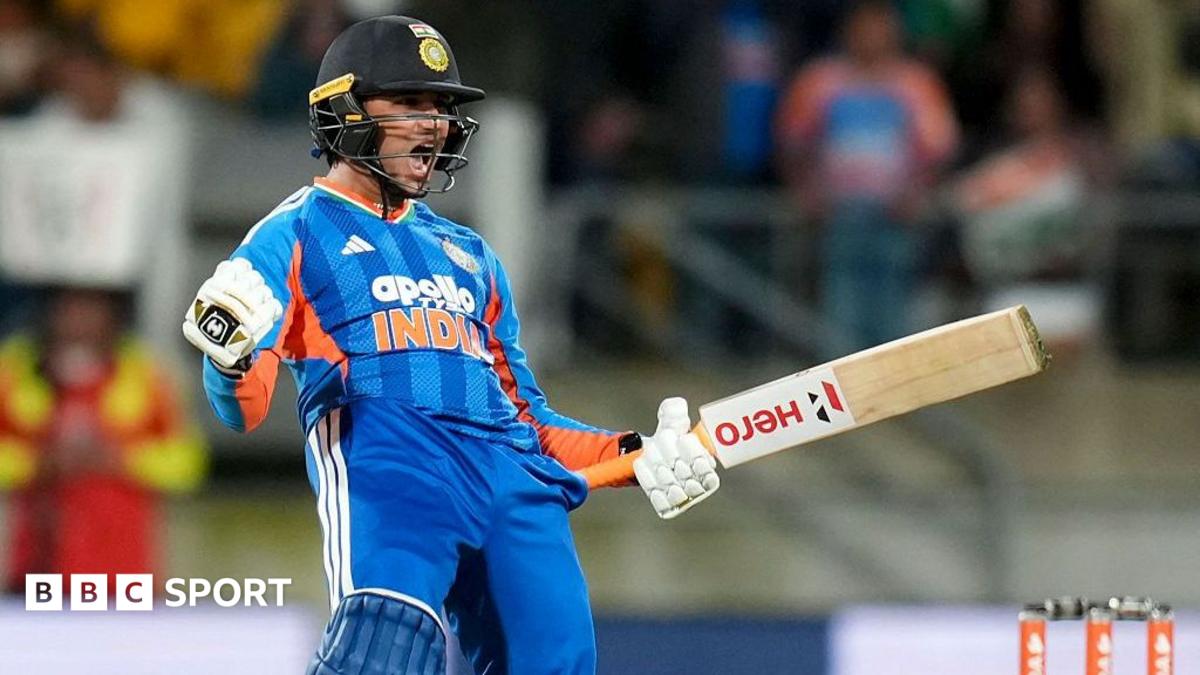
Abhishek Sharma’s blistering 35‑ball century gave India a decisive edge in Wellington, allowing the visitors to chase down New Zealand’s 199‑run total in just 13.2 overs. The performance, highlighted by the keyword “india t20 century,” not only secured a six‑wicket win but also pushed the series score to an unassailable 3‑0 in the five‑match T20 contest. The match, the third of the tour, saw India reach the target with plenty of overs to spare, leaving the Black Caps with little chance of a comeback. Sharma’s 113 off 38 balls, supported by a rapid 45 from 19‑year‑old Vaibhav Sooryavanshi, produced a new record for the highest opening partnership in an international T20 game. New Zealand’s bowlers, apart from captain Mitchell Santner’s tidy three‑over spell of 1‑17, could not stem the flow of runs, a fact that show the dominance of the Indian top order. The victory also sets the tone for the one‑day internationals and Test matches that follow the T20 leg of the tour.
The opening partnership between Sharma and the teenage Sooryavanshi was nothing short of explosive. Together they piled on 133 runs in the first seven overs, a feat that eclipsed previous records for an opening stand in the format. Sooryavanshi, only fifteen, smashed his 45 in just 19 deliveries, providing a brisk platform for his senior partner. Sharma, however, stole the headlines by racing to his fifty in a mere 15 balls, a strike‑rate that left the New Zealand bowlers bewildered. By the time the youngster was dismissed in the eighth over, Sharma was already well beyond the half‑century mark and continued to hammer the opposition. He eventually fell at 113 after facing 38 balls, a knock that featured nine fours and an eye‑catching eleven sixes. While the innings fell short of his own record of a 30‑ball hundred against Afghanistan a month earlier, it was more than enough to dismantle the target with ease. The powerplay score of 118 set a new benchmark for international T20 cricket, underscoring how the Indian openers dictated terms from the outset.
New Zealand’s reply had begun strongly, anchored by Daryl Mitchell’s 89 from 52 balls. Mitchell’s innings anchored the Black Caps to a respectable total of 198‑3 at the end of their allotted twenty overs. Finn Allen added a quickfire 40 off 25 balls, pushing the score to a competitive level before the Indian onslaught began. Yet once Sharma and Sooryavanshi launched their assault, the New Zealand bowlers could not contain the on‑fire Indian openers. Apart from Santner’s disciplined spell, the rest of the attack leaked runs at a frightening rate, allowing the pair to dominate the early overs. The New Zealand side’s inability to stem the flow of boundaries proved decisive, and the mounting required run rate forced them into defensive lines that only accelerated India’s march to the target.
When the opening stand was finally broken, India’s middle order took over with the task of adding just 21 more runs. The lower order contributed the remaining runs without fuss, ensuring the chase concluded in just over thirteen overs. The six‑wicket victory not only wrapped up the T20 series but also gave India an unassailable 3‑0 lead, effectively clinching the series with two games still to be played. The win arrives ahead of a packed schedule that includes five one‑day internationals and two Test matches, a sequence that will test both sides across formats. For India, the emphatic performance reinforces their batting depth and showcases emerging talent ready to make an impact at the highest level.
In the broader context of international cricket, a dominant T20 performance such as this often serves as a confidence booster for the squad ahead of longer formats. The Indian team, already known for its strong batting line‑up, now has the added advantage of having proven its ability to chase under pressure. For New Zealand, the defeat highlights a clear area for improvement, their bowling unit struggled to adapt to the aggressive intent of the opposition. The figures show that, aside from Santner’s economical three overs, the other bowlers were unable to keep the run rate in check, a situation that will likely prompt the coaching staff to revisit tactics before the upcoming ODIs.
Looking ahead, the Indian camp will shift focus to the forthcoming ODI series, hoping to carry forward the momentum generated by the T20 triumph. The short break before the first ODI will give both teams time to fine‑tune line‑ups and address the issues exposed in Wellington. New Zealand, meanwhile, will regroup and look to adjust their bowling strategies after a costly display. Coaches on both sides will be analysing video footage, particularly the ways Sharma and Sooryavanshi exploited gaps in the field and the pace of the New Zealand attack.
The performances of young players like Sharma and Sooryavanshi will be closely watched as the tour progresses. Their ability to deliver under pressure adds depth to India’s batting pool and gives the selectors more options for the longer formats. At the same time, seasoned campaigners will be expected to anchor the side in the ODIs and Tests, providing stability when the opposition targets the middle order.
As the series moves into its next phase, the upcoming ODI fixture promises to be a key indicator of how the two nations will fare in the remaining contests of this multi‑format tour. The outcome of that match will shape the narrative for the rest of the tour, setting the tone for the five ODIs and the two Tests that follow.