


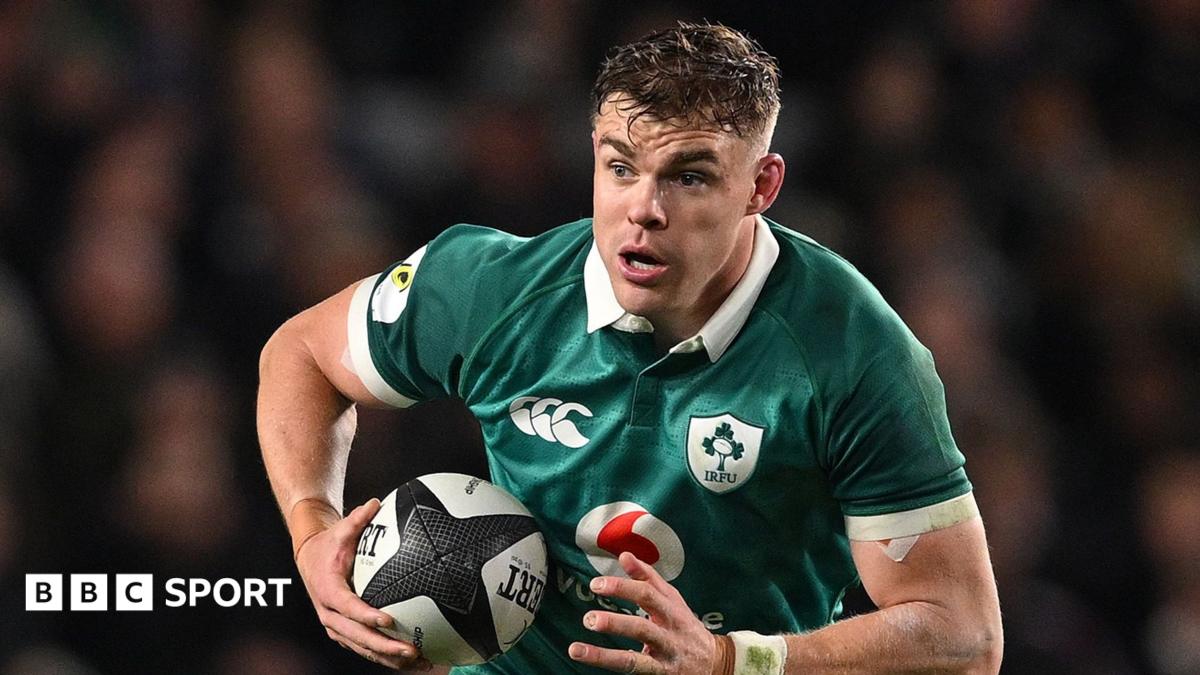
Garry Ringrose’s hamstring problem means the 31‑year‑old centre will not feature for Ireland in the upcoming Nations Championship matches in November, the Irish Rugby Football Union said on Tuesday. The IRFU described his chances of playing against Argentina, Fiji and South Africa as “unlikely” and noted that Ringrose remains with his provincial side Leinster to continue rehabilitation. His absence follows a missed United Rugby Championship encounter with Munster at Dublin’s Aviva Stadium last weekend.
Ringrose, who has amassed 76 caps and crossed the try line 15 times for Ireland, was a key figure in the team’s recent southern‑hemisphere tour, where Ireland secured victories over Australia and Japan before falling to New Zealand. The centre’s injury comes at a critical juncture as head coach Andy Farrell prepares his squad for a packed home schedule that begins with Argentina on 6 November and continues with Fiji on 14 November and South Africa on 21 November.
The IRFU’s statement did not specify the severity of the hamstring tear, only that medical staff deem a return before the November tests improbable. Ringrose has therefore been instructed to stay with Leinster, where club physiotherapists will oversee his recovery program and monitor his progress through regular scans and strength assessments.
Ireland’s back‑line will also be missing fly‑half Sam Prendergast, who is listed as a doubt for the opening match against the Pumas because of a wrist injury. Prendergast, 23, continues his own rehab with the national squad after being sidelined for the Munster game. Leinster winger Jimmy O’Brien, 29, is likewise following concussion protocols after a head knock in the same fixture, adding further depth concerns for Farrell’s selections.
Coach Andy Farrell has opted not to call up any immediate replacements for Ringrose, despite ongoing questions about the availability of prop Tadhg Furlong, who is also under scrutiny following a disciplinary citation. Farrell’s decision reflects a desire to maintain squad continuity, trusting that the current pool of players can adapt to the short‑term losses without overhauling the roster.
The disciplinary matter involving Leinster prop Tadhg Furlong centers on an alleged groin grab during the Munster clash. The 33‑year‑old will appear before a disciplinary committee, but the outcome will not affect his eligibility for the November fixtures unless a sanction is imposed. Farrell’s staff will monitor the process closely, balancing the need for on‑field stability with adherence to the sport’s conduct regulations.
Across the Atlantic, Argentina’s coach Felipe Contepomi faces his own injury challenges. Lyon prop Thomas Gallo has withdrawn after sustaining a wrist injury against Bayonne, while utility back Santiago Carreras left the field hurt during Bath’s Premiership loss to Gloucester. Bath’s head of rugby, Johann van Graan, remarked that Carreras “has to go for a scan” and expressed concern that the injury could be serious, underscoring the broader impact of player fitness on the competition.
The November series will see Ireland host three of the world’s top rugby nations on home soil, offering a chance to recover points lost earlier in the year. After the Argentina test, the Irish side will welcome Fiji and then the reigning world champions South Africa on consecutive weeks, before concluding the month with a two‑day finals weekend at Twickenham’s Allianz Stadium on 28 and 29 November.
For Irish supporters, the loss of Ringrose, a reliable defender and creative playmaker, poses a tactical dilemma. His defensive organization and ability to break the line have been integral to Ireland’s attacking patterns. Without him, Farrell may look to younger centres or shift the midfield structure, potentially giving more responsibility to players like James Lowe or Bundee Aki.
Leinster, Ringrose’s club, will continue to manage his rehabilitation internally, coordinating with national medical staff to ensure a seamless transition back to full training once cleared. The province’s medical team has a track record of handling high‑profile injuries, and they are expected to follow a graded return‑to‑play protocol that includes strength testing, mobility work, and a phased re‑introduction to contact drills.
As the November window approaches, the Irish camp will finalize its selections, taking into account the fitness status of Prendergast, O’Brien, and other fringe players. The next update from the IRFU is anticipated after the upcoming Munster game, when further information on Ringrose’s scan results may be released. Until then, the squad must adapt to a reshuffled back‑line and maintain focus on the challenging home schedule that lies ahead.