


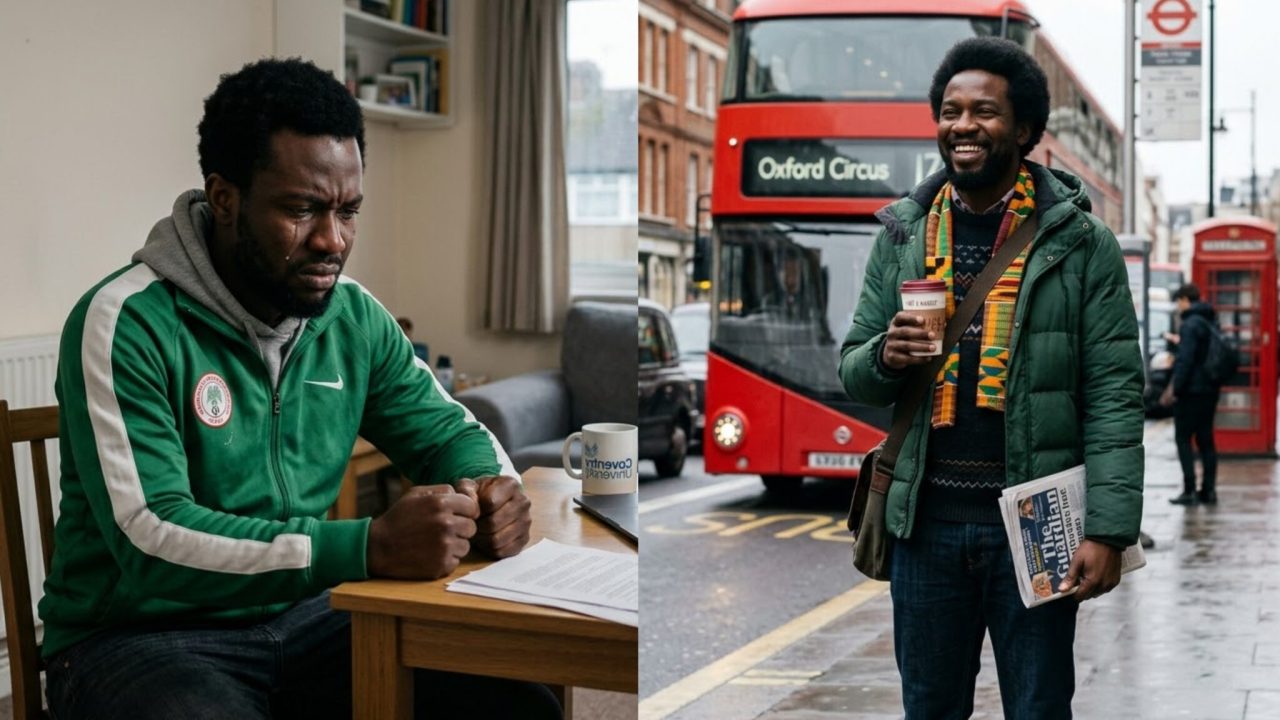
A Lagos‑based man took to X, the platform formerly known as Twitter, to air a grievance that has quickly gone viral. He claims he spent more than £34,000 sending his younger brother to the United Kingdom for higher education, covering school fees, food and accommodation, yet says the brother has never reciprocated even a simple gesture such as buying a loaf of bread for his children. The post, which centers on “brother financial support,” has ignited a heated debate about expectations among siblings in Nigerian families.
The £34,000 claim
In a series of posts, the user detailed how he financed his brother’s entire master’s programme, allowed him to stay in his home rent‑free and paid for all meals. After completing his studies, the brother moved out, found a job and eventually opened an eight‑chair barber salon in London. Despite these milestones, the poster says his brother never offered any material help to his own family. “He has never bought a loaf of bread for my sons,” he wrote, underscoring the perceived ingratitude.
The man also alleged that his brother quietly built a house back in Nigeria without informing him and later flew his girlfriend to Spain for a birthday celebration. These details, shared without corroborating evidence, paint a picture of a sibling who, in the author’s view, has taken advantage of generosity while keeping his own successes hidden.
A failed request for cash
One episode that the poster highlighted involved a staged request for £500. He claimed he pretended to be financially broke and asked his brother for the sum. According to his account, the brother responded that he had run out of money but still held ₦1 million (about £1,500) that he was not using. The man says he then sent his Nigerian bank details to his brother, only to hear nothing back for three months. The silence, he says, cemented his belief that “family is not blood.”
Changing attitudes
The online outburst did not stop at recounting financial transactions. The author declared a shift in his personal philosophy, stating, “I have lived the first half of my life for others, and now I have decided to be wicked, selfish, and stingy for myself and my sons.” He added, “Humans are terrible. Just buy a dog.” The stark language signals a break from the cultural expectation that family members, especially siblings, should support each other unconditionally.
He further argued that even if the roles were reversed, he would still be “struggling in the village,” and that the most help he might receive would be a modest $100 with an expectation of gratitude. These remarks echo a broader sentiment among some Nigerians who feel taken advantage of by relatives living abroad.
Public reaction
The post quickly gathered a mix of sympathy and criticism. Several users expressed empathy, noting that many families invest heavily in relatives’ education abroad with the hope of future returns. Others questioned whether a financial contribution should obligate the recipient to lifelong assistance, suggesting that generosity does not automatically create a debt.
Despite the divided opinions, the author insisted that no one should blame him if he eventually distances himself from his family. His statement, “Now that I have decided to be wicked, nobody should blame me. I have seen all sides of human wickedness,” show a resolve to prioritize his own household.
Cultural context
In Nigeria, it is common for relatives to pool resources to fund education overseas, viewing it as an investment that will eventually benefit the whole family through remittances or business ventures. However, the expectation of reciprocity varies, and stories of perceived neglect can fuel public discourse on familial duty versus personal welfare.
The online debate reflects a tension between traditional collectivist values and the rising individualism among younger generations facing economic pressures. While the man’s experience is personal, it resonates with a broader audience grappling with similar dilemmas.
What comes next
The X user has not indicated any intention to pursue legal action or formal reconciliation. He concluded his series of posts by stating his focus will now be on himself and his sons. As the conversation continues across social media platforms, the story remains a vivid illustration of how financial support within families can become a source of contention, especially when expectations are left unspoken.
The episode serves as a reminder that, in an increasingly connected world, personal grievances can quickly become public debates, prompting many to reconsider the balance between familial generosity and self‑preservation.